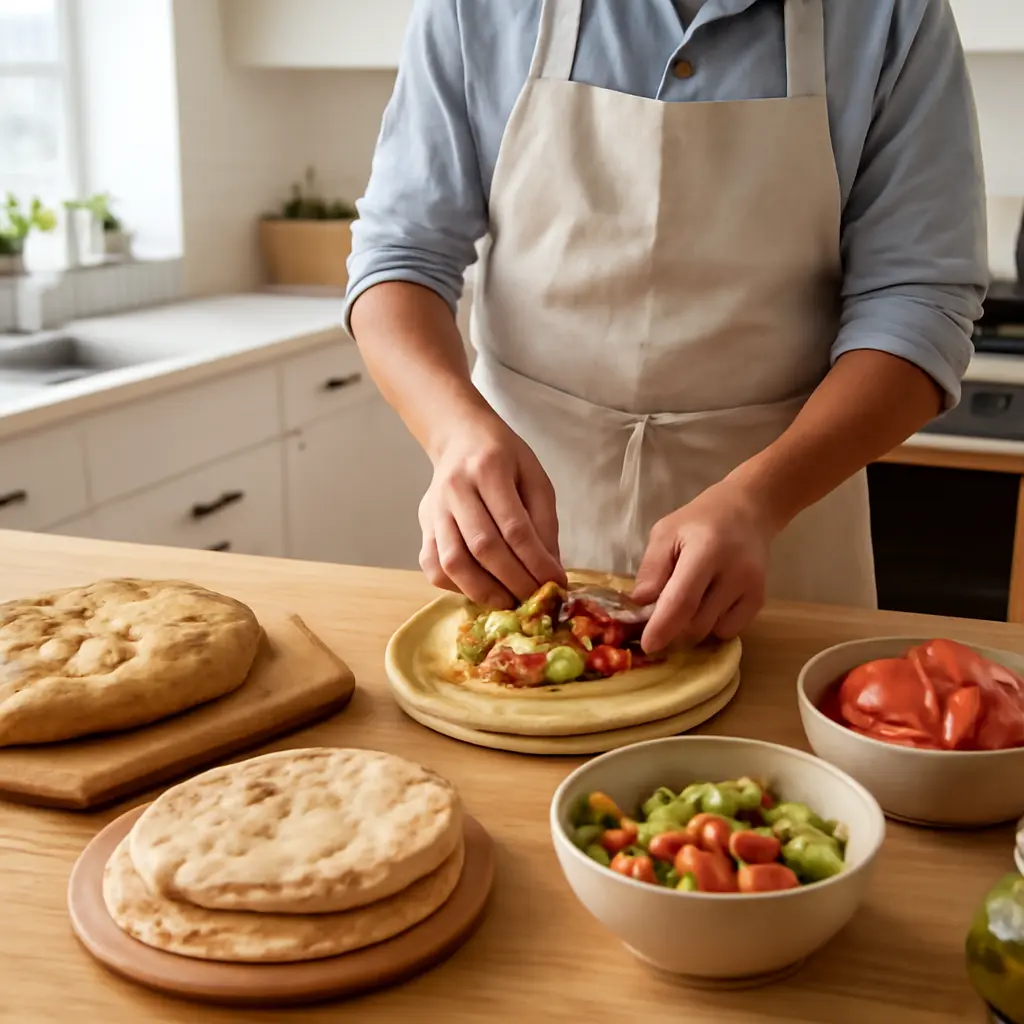
Cornichons are small, tart pickled cucumbers, and their sharp acidity makes them especially good beside creamy cheese. The pairing works because tangy, crunchy pickles counter cheese’s richness, refresh the palate between bites, and add a contrasting texture. From French classics such as chèvre with cornichons to practical cheese-board combinations, the match draws on the same balancing principles used throughout cooking: acidity and crunch can make rich, soft foods feel more lively.
Cornichons Balance Creamy Cheese with Acidity and Crunch
A cornichon is a small cucumber preserved in a vinegar-based brine, often seasoned with herbs and spices. The word is French, and the pickles are traditionally associated with French meals and charcuterie. Their defining pairing attribute is contrast: the vinegar’s acidity cuts through the creamy sensation of cheese, while the pickle’s firm bite differs from a soft or spreadable texture.
This is a culinary explanation rather than a claim that one flavor combination is objectively best. The U.S. National Library of Medicine’s MedlinePlus describes taste as involving several sensory signals, while food scientists commonly distinguish taste from texture and aroma. In a cheese-and-pickle bite, those signals meet: fat and salt from cheese, sourness from vinegar, and crispness from the cucumber. Together, they can make each component seem more distinct.
Acidity offsets richness
Creamy cheeses contain fat and moisture that create a smooth, coating mouthfeel. Cornichon brine supplies a sharp sour note, which offers contrast and can make a rich bite seem less heavy. This does not mean the pickle chemically removes fat; it changes the eating experience by adding a different taste sensation. The same balancing idea appears in classic combinations such as lemon with cream sauces and pickled vegetables with rich meats.
Crunch contrasts with softness
Texture is another reason the pairing works. A soft cheese yields easily, while a properly made cornichon provides a crisp, audible bite. That contrast helps keep a cheese course from becoming monotonous, especially when the cheese is spread on bread or served at room temperature. Look for pickles that are firm rather than limp; a crisp cornichon gives the combination its most noticeable textural counterpoint.
Salt, herbs, and aroma complete the bite
Cornichon brines are typically seasoned, and recipes may include ingredients such as mustard seed, dill, tarragon, or pepper. Those aromatics can complement the earthy, buttery, or tangy notes found in cheese. Because both pickles and cheese can be salty, taste them together before adding other salty foods to a board. A small pickle can contribute plenty of flavor without needing a large serving.
Cornichon and Creamy Cheese Pairings Depend on Flavor and Texture
“Creamy cheese” covers several styles, so the best match depends on how mild, tangy, or pungent the cheese is. A useful approach is to pair delicate cheeses with restrained accompaniments and choose bolder cheeses when the cornichons have assertive seasoning. These categories are practical pairing guides, not strict rules.
Fresh chèvre and cornichons
Fresh goat cheese, or chèvre, is soft and often tangy. Its acidity already echoes the vinegar in a cornichon, making the combination feel bright and savory. Serve a small pickle beside chèvre on toast or crackers, rather than burying the cheese under brine, so the cheese’s delicate flavor remains clear. Herbs such as chives or parsley can bridge the two.
Brie and Camembert with crisp pickles
Brie and Camembert have soft, creamy interiors and mild, mushroom-like aromas as they mature. A cornichon cuts through their buttery feel and adds a clean, sharp contrast. Serve the pickle whole or halved alongside the cheese, allowing guests to control the ratio. If the cheese is especially ripe or pungent, choose a less aggressively spiced pickle so that neither flavor overwhelms the other.
Cream cheese and soft spreads
Cream cheese and other mild spreads are neutral enough to take on stronger accompaniments. Finely chopped cornichons can be folded into a spread with herbs, pepper, or mustard, or served on the side for a crunchy contrast. This combination also works in sandwiches, where the pickle’s acidity helps balance a thick layer of cheese and bread.
Blue cheese and stronger soft cheeses
Blue cheeses and other assertive varieties call for a more deliberate balance. Their saltiness and pungency can stand up to a bold cornichon, but an especially sour or heavily spiced pickle may crowd the cheese. Try a small taste first, and consider adding plain bread or a mild cracker as a buffer. Pairing by intensity helps preserve the flavors of both foods.
Cornichons Make Cheese Boards More Balanced and Versatile
On a cheese board, cornichons do more than decorate the plate. They offer a sharp, crunchy option between richer bites and provide a familiar savory accent alongside bread, cured meats, and spreads. Their small size also makes them easy to portion: a few can be placed in a bowl so their brine does not run onto the cheeses.
Build contrast across the board
A balanced board typically includes variety in texture and intensity. Pair cornichons with at least one creamy cheese, then add a firmer cheese, neutral crackers or bread, and a contrasting fruit or nut if desired. The pickle should act as a bright accent rather than the dominant flavor. For a simple serving, offer one or two cornichons per person at a tasting, with more available for guests who enjoy the acidity.
Use cornichons in sandwiches and savory snacks
The same balance applies beyond cheese boards. Cornichon slices can sharpen a cream-cheese sandwich, add crunch to a soft-cheese tartine, or accompany a cheese-filled omelet. In each case, the pickle contributes a concentrated sour note, so a modest amount is often enough. Drain or pat the pickles dry when adding them directly to bread to limit excess moisture.
Serve and store them thoughtfully
For the clearest flavor, serve cornichons chilled or cool, drained from their jar, and keep them separate from cheeses until serving. Follow the product label’s refrigeration and storage instructions after opening. The U.S. Department of Agriculture’s Food Safety and Inspection Service advises keeping perishable foods under safe temperature control; cheese should not be left at room temperature for extended periods. For a gathering, put out smaller portions and replenish them as needed.
Why Cornichons Belong Next to Creamy Cheese
Cornichons belong beside creamy cheese because they provide a lively counterpoint: vinegar acidity offsets richness, crisp texture contrasts with softness, and herbs and spices add savory complexity. The pairing works across fresh chèvre, Brie, Camembert, cream cheese, and some stronger soft cheeses, provided the pickle’s intensity suits the cheese.
For your next cheese board, try a small portion of cornichons with one mild and one tangy cheese, then adjust the combination to taste. Keep the pickles crisp, serve them separately, and treat them as a balancing accent. A simple contrast in flavor and texture can make familiar cheese feel more complete.
Sources: Encyclopaedia Britannica, “Pickle,” https://www.britannica.com/topic/pickle; MedlinePlus, “Taste Disorders,” https://medlineplus.gov/tastedisorders.html; U.S. Department of Agriculture, Food Safety and Inspection Service, “Keep Food Safe! Food Safety Basics,” https://www.fsis.usda.gov/food-safety/safe-food-handling-and-preparation/food-safety-basics/keep-food-safe-food-safety-basics