Fruit tastes brighter on a cheese spread when you add a small pinch of salt. Salt sharpens the contrast between sweet fruit and rich, creamy cheese, while a few drops of lemon juice can add a second, fresher lift. The trick is to season the fruit—not heavily salt the cheese—and taste as you go. It works because salt can suppress some bitter impressions and heighten perceived sweetness, although the effect depends on the fruit, cheese, and amount used. Here’s how to choose the pairing, apply the seasoning, and serve it safely.
Salt seasoning brings out fruit’s character on a cheese spread
A fruit-and-cheese spread pairs fruit—fresh, dried, or preserved—with cheese served on bread, crackers, or a platter. The unexpected seasoning trick is a light sprinkle of salt on fresh fruit before it meets the cheese. In culinary terms, salt is a seasoning that changes how flavors are perceived; it does not simply make food taste salty. The Institute of Food Technologists describes taste as part of a broader sensory experience shaped by interactions among taste, aroma, texture, and other cues.
Salt can reduce the perception of bitterness and make sweetness seem more pronounced, helping ripe strawberries, melon, peaches, or pears stand out against the fat and tang of cheese. This is a sensory effect, not a guaranteed chemical transformation: a large amount of salt will make fruit taste salty. There is no universal measured “best” dose for a cheese board, so use a few grains, taste, and adjust.
The pinch-of-salt method
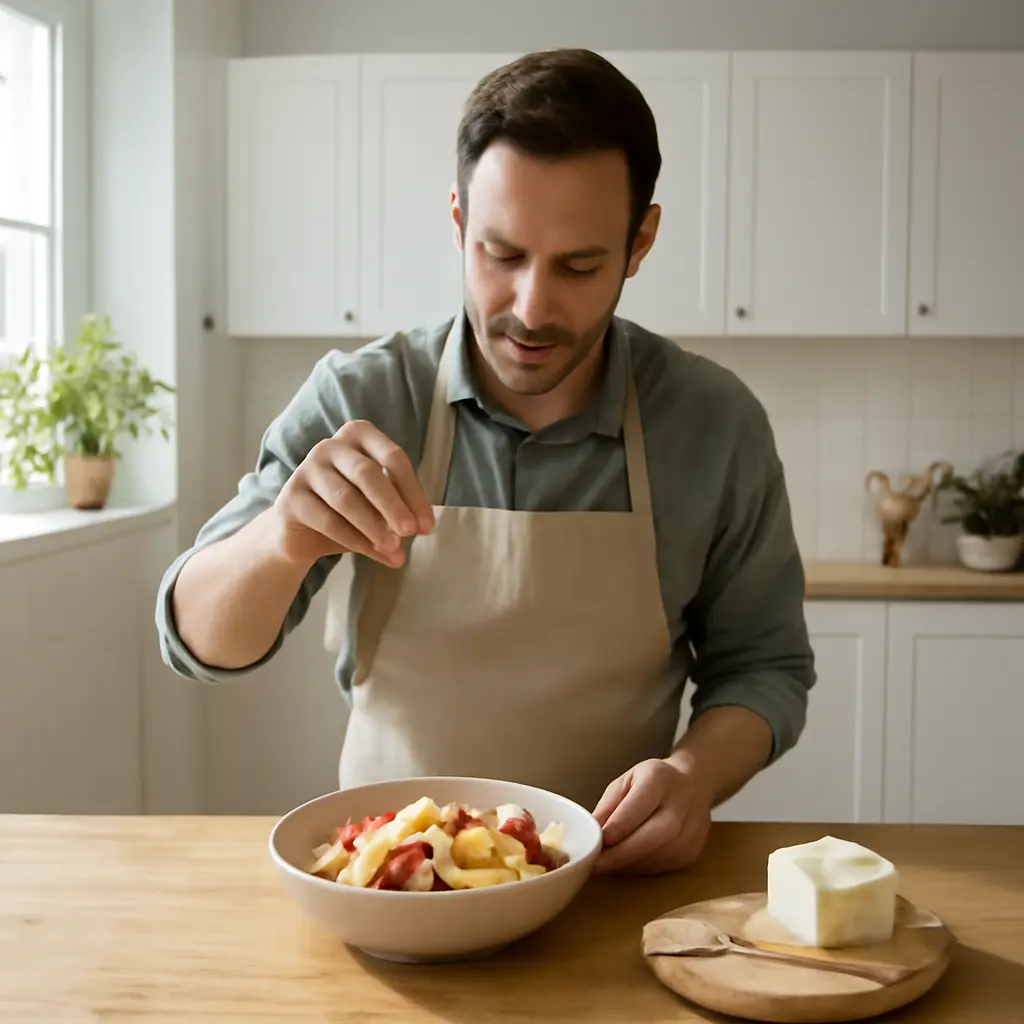
Slice or dice ripe fruit, scatter a very small pinch of fine salt over it, and let it sit briefly—about five minutes is a practical kitchen starting point. Taste a piece before serving. If the fruit tastes distinctly salty, add more unseasoned fruit or wipe away excess moisture and start again with a lighter hand. This approach is especially useful for fruit that tastes watery or muted.
Keep the salt on the fruit rather than mixing it through the entire spread. That makes the seasoning easier to control and lets guests experience the contrast in each bite. For a board serving several people, season a small test portion first.
Lemon and other balancing accents
A few drops of lemon juice can make fruit taste livelier by adding acidity, which contrasts with creamy or buttery cheese. Use it sparingly: too much liquid can soften crackers and make a cheese spread watery. Lemon zest adds citrus aroma with less moisture. Black pepper, fresh thyme, or a little honey can also complement particular combinations, but they are optional; the salt is the simple, unexpected starting point.
Fruit and cheese pairings depend on flavor, texture, and moisture
The seasoning trick works best when the fruit and cheese have complementary qualities. The Academy of Nutrition and Dietetics notes that fruit can contribute fiber and nutrients, while cheese provides protein and calcium; their exact amounts vary by food and serving size. For a spread, however, pairing is primarily a matter of balancing sweetness, acidity, saltiness, richness, and texture.
Fresh fruit with soft and creamy cheese
Strawberries, peaches, grapes, and pears pair readily with cheeses such as brie, cream cheese, or fresh goat cheese. A light salt seasoning can help ripe fruit register more clearly beside mild, rich cheese. Choose fruit that is ripe but still firm enough to slice and serve neatly.
Dried fruit and sharper cheeses
Dried apricots, figs, and dates are concentrated in sweetness and have less water than fresh fruit, so they generally do not need the same seasoning treatment. They work well with tangy goat cheese, aged cheddar, or blue cheese, where sweetness offsets sharper or saltier flavors. If using dried fruit in a spread, chop it finely so it distributes without making the mixture difficult to spread.
Preserves, chutney, and fresh fruit are different choices
Jam, fruit preserves, and chutney bring concentrated sweetness or acidity, and some already contain salt. Taste them before adding any extra seasoning. Fresh fruit offers a lighter, juicier contrast; preserves provide a more intense, consistent flavor. A useful board can include both, served separately so guests can choose their preferred balance.
A simple serving method keeps the contrast vivid
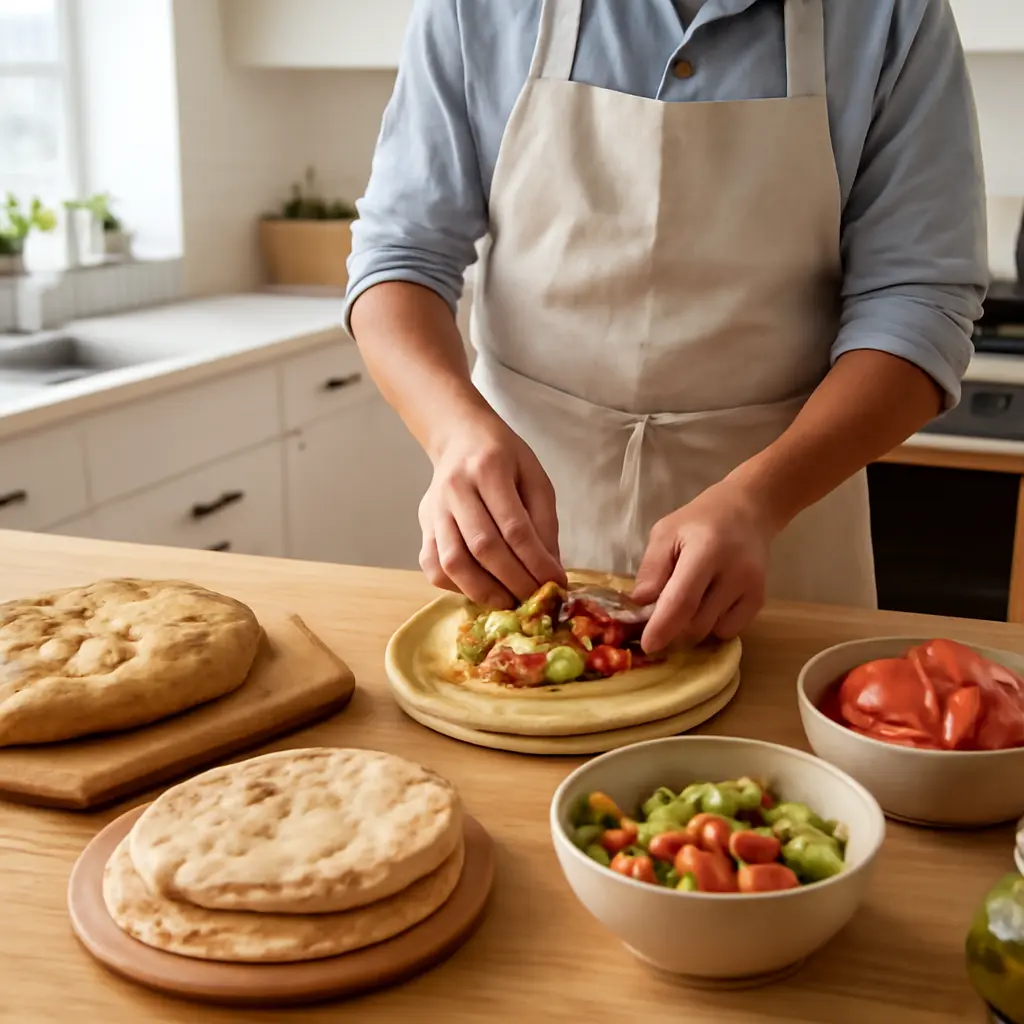
For an easy spread, soften a mild cheese, fold in chopped herbs if desired, and serve it alongside lightly salted fruit rather than stirring all the fruit into the cheese. This preserves the fruit’s texture and prevents its juice from thinning the spread. Offer crackers or toasted bread separately, then build each bite with a small amount of cheese and one or two pieces of fruit.
- Wash fresh fruit under running water and dry it before cutting.
- Season a small portion with a few grains of salt; wait briefly and taste.
- Pair it with a mild, tangy, or sharp cheese according to the fruit’s sweetness.
- Serve promptly, keeping juicy fruit apart from crackers and bread until eating.
Food safety matters on a grazing board. The U.S. Food and Drug Administration advises washing produce under running water and refrigerating perishable foods promptly. Do not leave cheese and cut fruit at room temperature for extended periods; the USDA’s general guidance is to discard perishable food left out for more than two hours, or one hour when the temperature is above 90°F (32°C). For longer gatherings, set out small portions and replenish them from the refrigerator.
Conclusion: season the fruit lightly, then taste
A tiny pinch of salt is the unexpected trick that can make fruit pop on a cheese spread by sharpening its flavor and contrast with rich cheese. Match fresh, dried, or preserved fruit to the cheese’s texture and intensity, use lemon or herbs only when they suit the pairing, and keep wet ingredients away from crisp bread. Try the method on a small portion first, then adjust to taste and serve the spread with food safety in mind.
Sources: Institute of Food Technologists, Sensory Evaluation Division, https://www.ift.org/community/interest-groups/sensory-science; Academy of Nutrition and Dietetics, Healthy Eating, https://www.eatright.org/food; U.S. Food and Drug Administration, Selecting and Serving Produce Safely, https://www.fda.gov/food/buy-store-serve-safe-food/selecting-and-serving-produce-safely; U.S. Department of Agriculture, Leftovers and Food Safety, https://www.fsis.usda.gov/food-safety/safe-food-handling-and-preparation/food-safety-basics/leftovers-and-food-safety