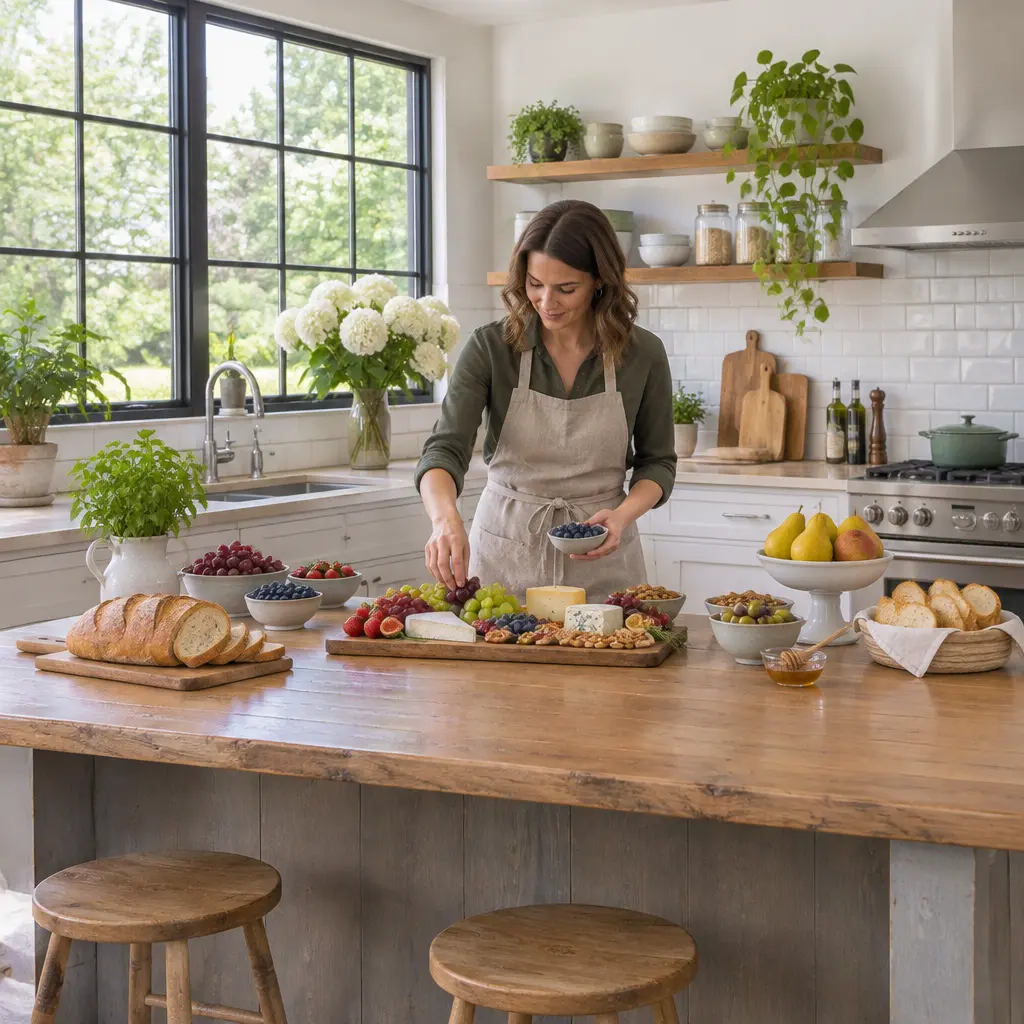
A halal cheese board brings together cheeses made with halal-compliant ingredients and thoughtfully paired fruits, nuts, breads, and condiments. The best boards balance flavor, texture, and color while checking that cheese cultures and coagulants meet your standards. Here are five ideas—from a classic Mediterranean spread to a dessert-style board—plus practical guidance on halal verification, serving amounts, and food safety. Cheese is a useful source of protein and calcium, but its nutrition varies by type, so portion size and variety matter.
Halal Cheese Boards: What Makes Them Halal
“Halal” means permissible under Islamic law. For cheese, the key question is whether its ingredients and production meet the requirements followed by the person serving or eating it. The American Halal Foundation and other halal-certification organizations explain that animal-derived ingredients, processing aids, and production practices may all be relevant to certification. A cheese board is therefore not automatically halal just because its accompaniments are meat-free.
Many traditional cheeses use rennet, an enzyme that helps milk coagulate. Rennet may come from animals, plants, or microbial sources; when it is animal-derived, its acceptability can depend on the animal and how it was slaughtered. Check the package for a trusted halal certification or ask the manufacturer about the rennet and other ingredients. “Vegetarian rennet” or microbial enzymes can be useful indicators, but follow your own halal standard and verify the specific product where needed.
The five boards below use flavor pairings as a starting point. Choose certified halal cheeses when available, check labels on crackers and condiments, and keep any non-halal foods and utensils separate.
Five Halal Cheese Board Ideas
1. Mediterranean Mezze Cheese Board
This savory board draws on Mediterranean flavors: pair halal-certified feta with a mild, halal-verified semi-hard cheese, such as Gouda or cheddar. Add olives, cucumber, cherry tomatoes, hummus, grapes, and pita or seeded crackers. The feta’s saltiness contrasts with sweet fruit, while crisp vegetables make the board feel fresh. Serve hummus in a small bowl and provide separate knives to avoid mixing flavors.
2. Orchard Fruit and Aged Cheese Board
For a sweet-and-savory combination, pair halal-verified aged cheddar or Gouda with sliced apples, pears, dried apricots, and walnuts or almonds. Add honey or a halal-verified fruit preserve. Firm, aged cheeses offer a concentrated flavor that stands up to crisp fruit and toasted nuts. Check dried-fruit labels for coatings or additives if you need strict ingredient assurance.
3. Spiced Levantine Cheese Board
Build a fragrant board around halal-certified labneh or a soft cheese alongside a mild, verified cheese. Serve with za’atar, olive oil, dates, pistachios, sliced peppers, and flatbread. The tangy, creamy cheese works well with sweet dates and aromatic herbs. Because blends and flavored products can contain additional ingredients, check labels on za’atar, spice mixes, and packaged breads.
4. Smoky and Savory Board
For deeper flavors, combine halal-verified smoked Gouda or cheddar with roasted red peppers, cornichons, mustard, and plain crackers. Add halal-certified beef or turkey slices only if you want a meat component, and keep them on a separate section of the board with their own serving utensil. This pairing gives guests a mix of creamy, smoky, tangy, and crunchy bites. Confirm that both the cheese and any processed meats carry acceptable halal assurance.
5. Dessert Cheese Board
Turn the cheese course into dessert with halal-verified cream cheese, mild Gouda, or another soft, sweet-leaning cheese. Add strawberries, figs, dates, dark chocolate with a suitable ingredient label, and plain biscuits or shortbread made without questionable additives. A small bowl of honey or halal-verified jam completes the spread. Keep sweet accompaniments separate from strongly flavored savory cheeses for a cleaner tasting experience.
How to Plan, Portion, and Serve a Halal Cheese Board
Choose variety, not just quantity
A balanced board typically includes contrasting textures and flavors: one soft cheese, one firm or aged cheese, something fresh, something crunchy, and one sweet or tangy accompaniment. For a light appetizer, plan roughly 1–2 ounces of cheese per person; for a board serving as the main food, allow more and include filling items such as bread, fruit, and vegetables. These are practical hosting estimates rather than dietary prescriptions.
Check the label and prevent cross-contact
Look for a halal certification recognized by your community, then review ingredient statements for animal rennet, gelatin, flavorings, and other additives. When a label is unclear, contact the producer or choose a product with clearer certification. Prepare the board with clean tools and surfaces, and use separate knives for cheeses and accompaniments—especially if you are serving guests with different dietary requirements.
Keep food at a safe temperature
The U.S. Food and Drug Administration advises keeping perishable foods refrigerated at 40°F (4°C) or below and not leaving them at room temperature for more than two hours—or more than one hour when the temperature is above 90°F (32°C). Bring out modest portions and replenish from the refrigerator rather than leaving the entire board out for a long gathering. This is especially important for soft cheeses and cut fruit.
Conclusion: Build a Board That Fits Your Guests
A successful halal cheese board combines verified cheese with complementary textures, produce, nuts, breads, and condiments. The Mediterranean, orchard, Levantine, smoky, and dessert-style ideas offer five flexible starting points. Check certification and ingredients, prevent cross-contact, portion thoughtfully, and follow safe-temperature guidance. For your next gathering, choose two or three cheeses, add seasonal produce, and ask guests about their preferences and dietary needs.
Sources: American Halal Foundation, Halal Food Guidelines, https://halalfoundation.org/; U.S. Food and Drug Administration, Safe Food Handling, https://www.fda.gov/consumers/consumer-updates/food-safety-home; U.S. Food and Drug Administration, Are You Storing Food Safely?, https://www.fda.gov/consumers/consumer-updates/are-you-storing-food-safely; Encyclopaedia Britannica, Cheese, https://www.britannica.com/topic/cheese